I love tea. I drink several cups a day, and my reserves are no longer counted in boxes, but in shelving units. I even had the pleasure of attending a tea ceremony in Japan, in Kyoto. Yet, I never imagined that one could marry this ritual with the art of perfumery. This is precisely what is being done in Versailles, in the heart of the antiques district, within an 18th-century building. Born here in 2017, the House of State of Mind dared to do what no one else was doing: creating perfumes and the teas that correspond to them. Its bottles do not bear the names of flowers, but states of mind. Why this choice? How do new visitors react to this concept? Do we smell the same things in Versailles, Dubai, or Seoul? And how did a Versailles-based house manage to travel so far? Answers from two perspectives, with founder Catherine Laskine-Balandina and Alina Lubin, head of marketing, communication, and development.
1. State of Mind was born in 2017, here in Versailles. Before talking about bottles, tell me: where did this idea of marrying the ritual of the tea ceremony and the art of perfumery come from (since no one was doing it)? What was the very first spark for Catherine Laskine-Balandina?
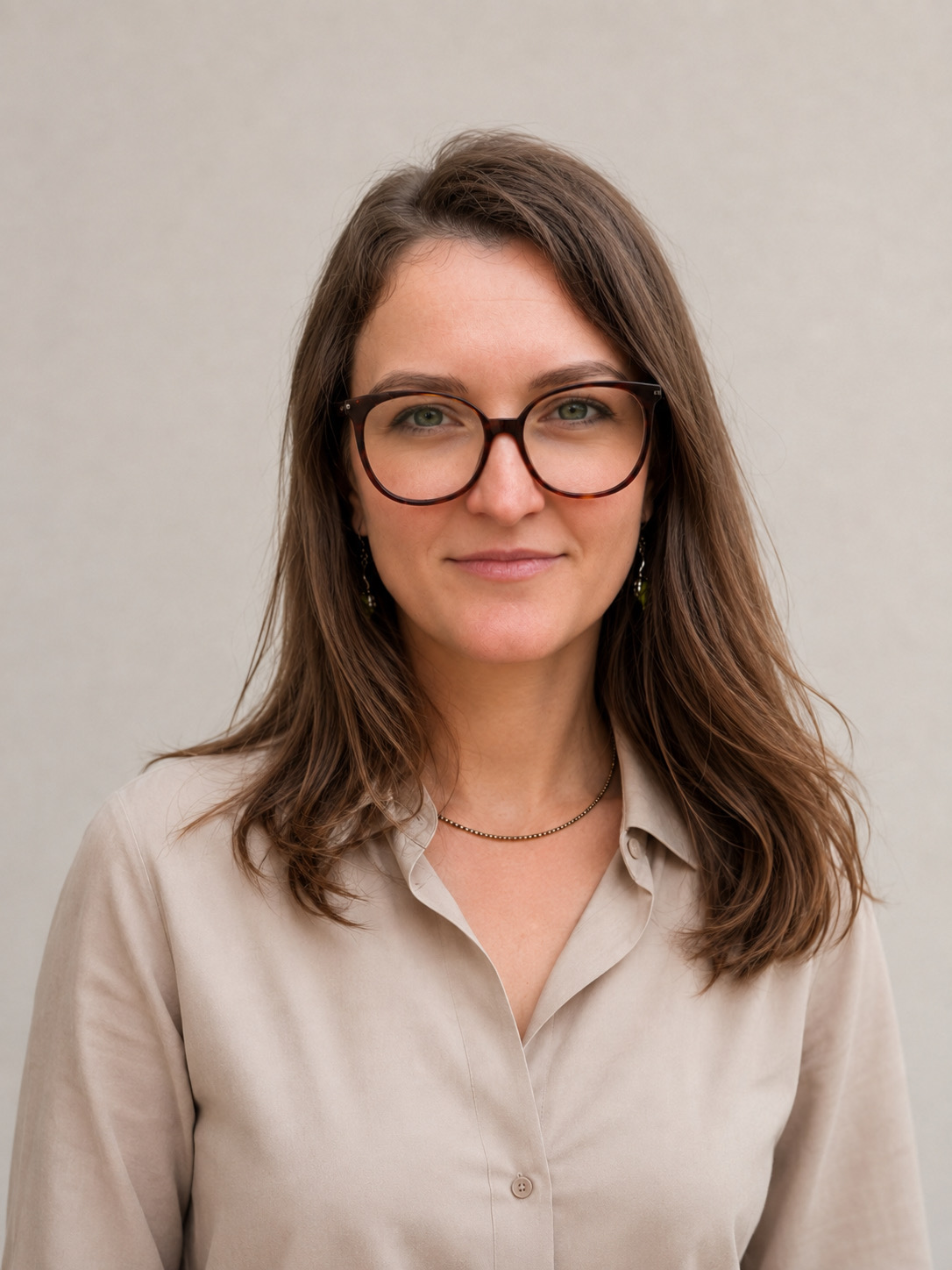
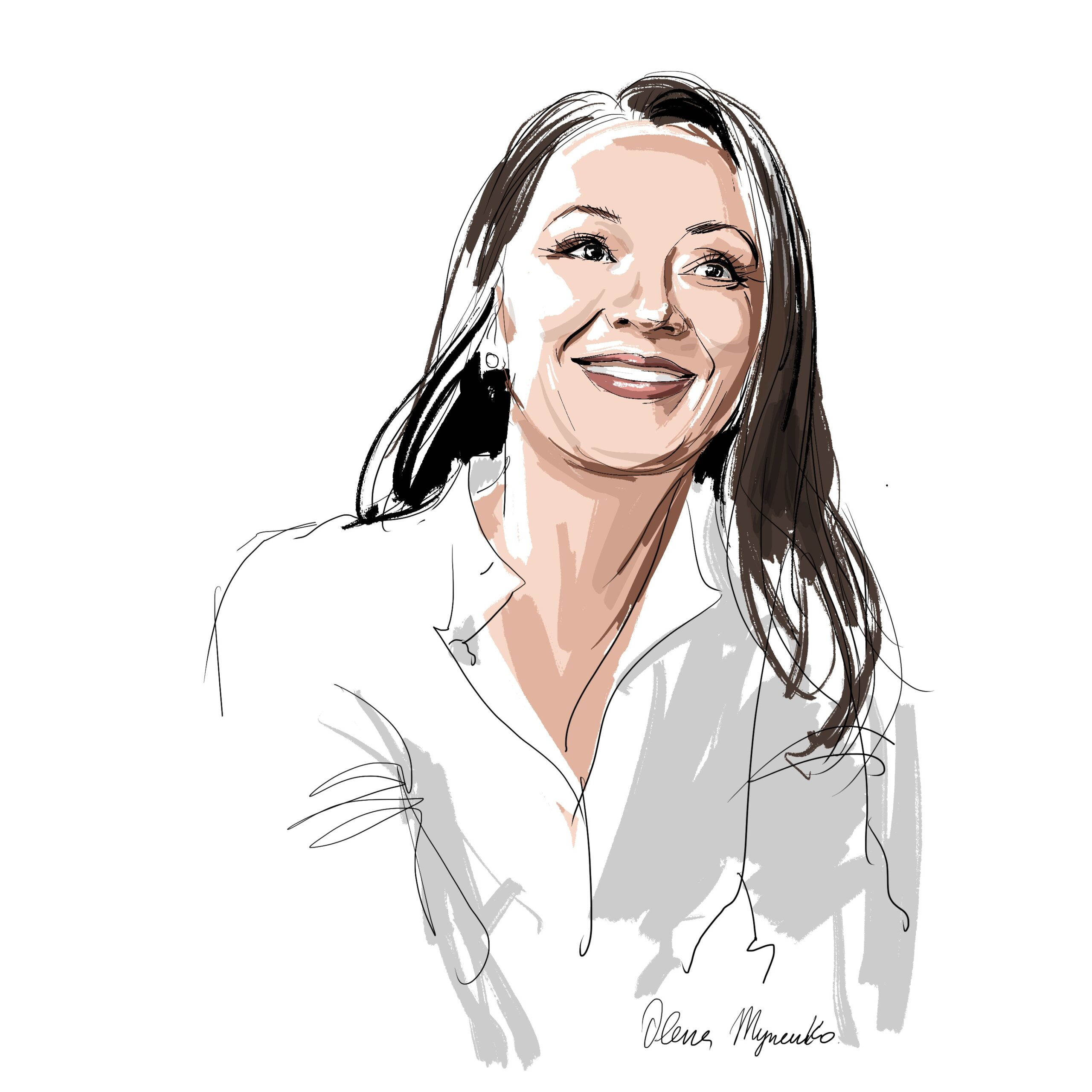
Alina: You should know that Catherine worked for a long time, almost her whole life, in the beauty and perfume industry. She worked for major houses, for large companies: L’Oréal, then L’Occitane, and many other brands. She was on the commercial side, and she saw how brands were developing. She saw that globalization was erasing all uniqueness, all the art within creation. Houses that had started by making interesting creative concepts ended up making commercial products. Her starting point was to be able to create a house where creation and artistic expression would be at the heart of the concept.
And then, this idea of linking perfume and tea has much deeper roots. Her grandmother was a doctor—a surgeon—and she went to work in China when she was young. When she returned, she always told stories to Catherine, who was little and was mesmerized by this ancient culture: the small tea shops, the culture of drinking tea, the calligraphy, the art of the ceremony. She heard many, many stories, and for her, it was something magnificent. She told herself that perfume and tea make an extraordinary marriage.
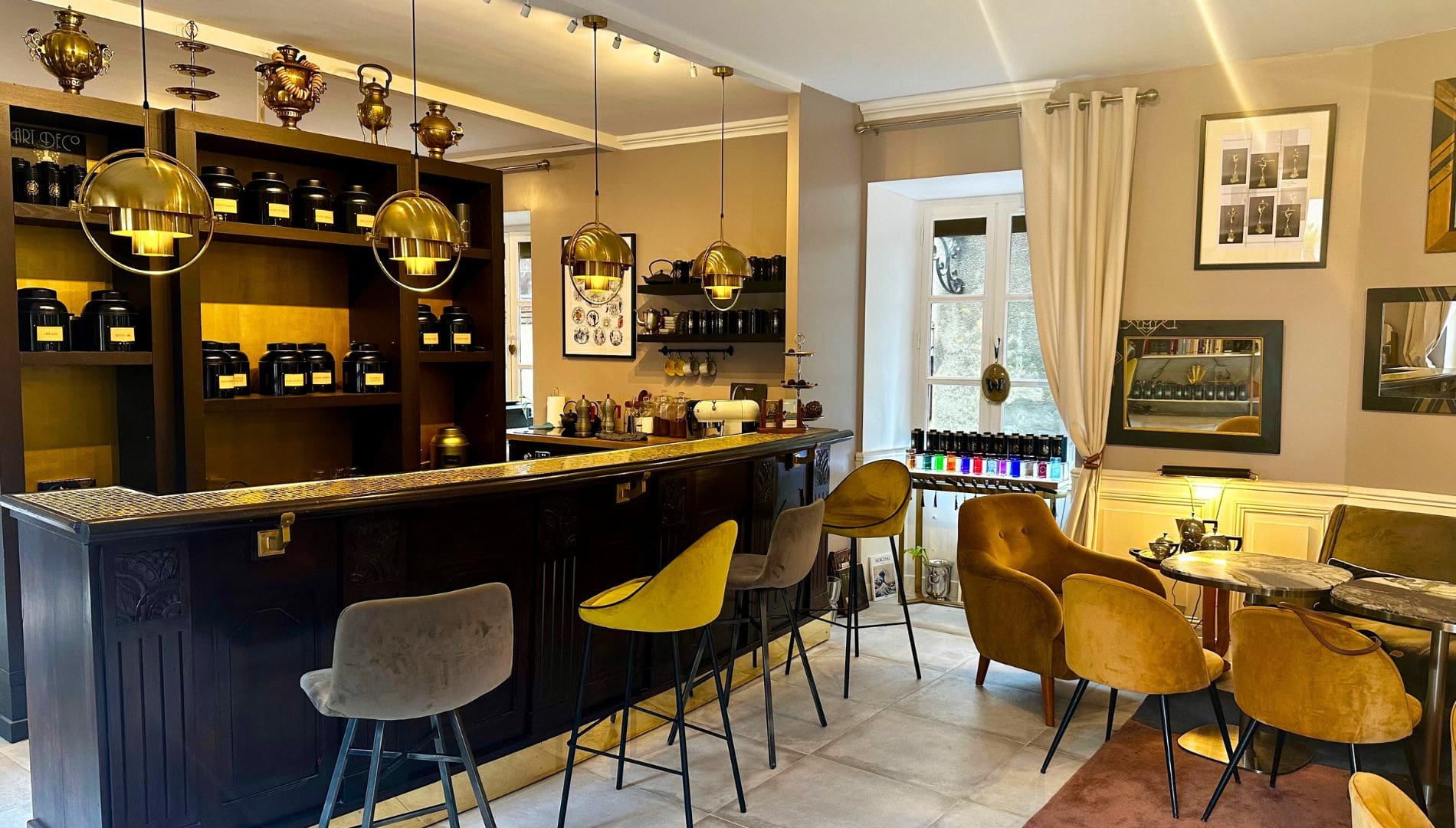
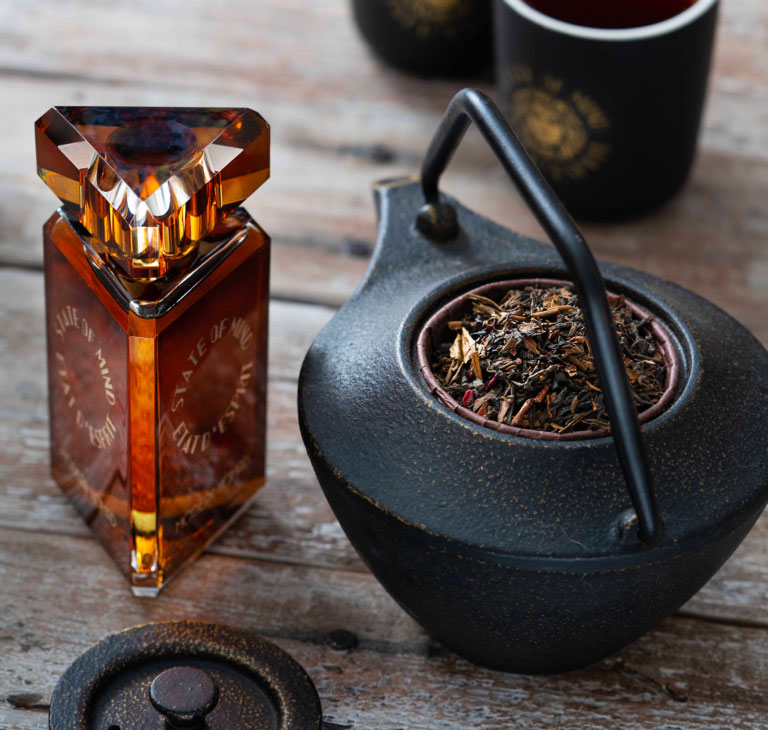
And how does it come together at State of Mind? We take time, precisely, to choose our perfume, as if we were performing the ceremony. We drink tea, we smell the tea, we discover something, we talk, we take our time, we can exchange ideas, and then we discover the perfumes. We discover them when we are already mesmerized, when we have already drifted into a dream. We are not just choosing a product: we are choosing how I am going to be today, how I see myself, or how I see a loved one to whom I want to give the perfume. The choice of perfume becomes something personal, sometimes intimate. These are dreams that begin to become memories, discussions, and that is where everything changes—the approach changes.
2. How did the founding team meet? We always imagine perfume houses born in a laboratory, but the real story is often elsewhere.
Alina: Catherine is the creator. Then, the perfumer, Karine Dubreuil-Sereni, creates together with Catherine: Catherine invents the idea, she imagines the notes, and then Karine makes the chemical formula for the perfume. I don’t really know how they met; I know that they are friends. That is, incidentally, why we call upon a single perfumer, what we call an in-house perfumer, for the house. It is quite rare for perfume houses, but for Catherine, it was interesting to also see the development, how it changes, how it evolves. What is also important is that Karine is also an opera singer. It is always the mixture of arts, and that is where it is interesting. Catherine really wanted to choose people who live by what they create and to do something at the crossroads of several arts.
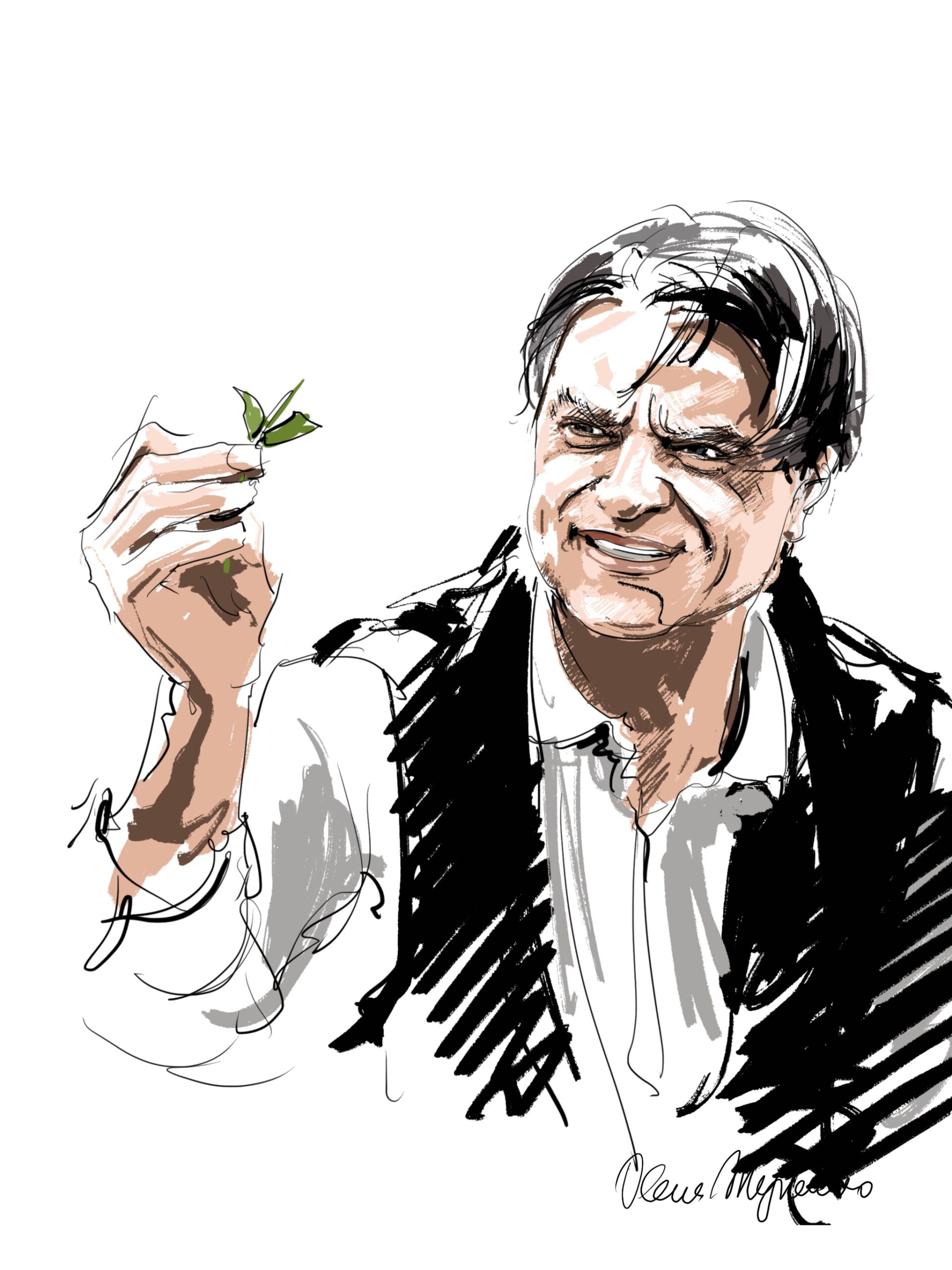
The tea master who makes the tea for us is named Olivier Scala. He, for his part, is a fourth-generation tea master, meaning he grew up with this: his father and grandfather were also tea researchers and tea masters. It’s the same; he is someone for whom the choice, the research of the tea, and the creation of the blends is an art of sorts, because he does this also through the history of his family.
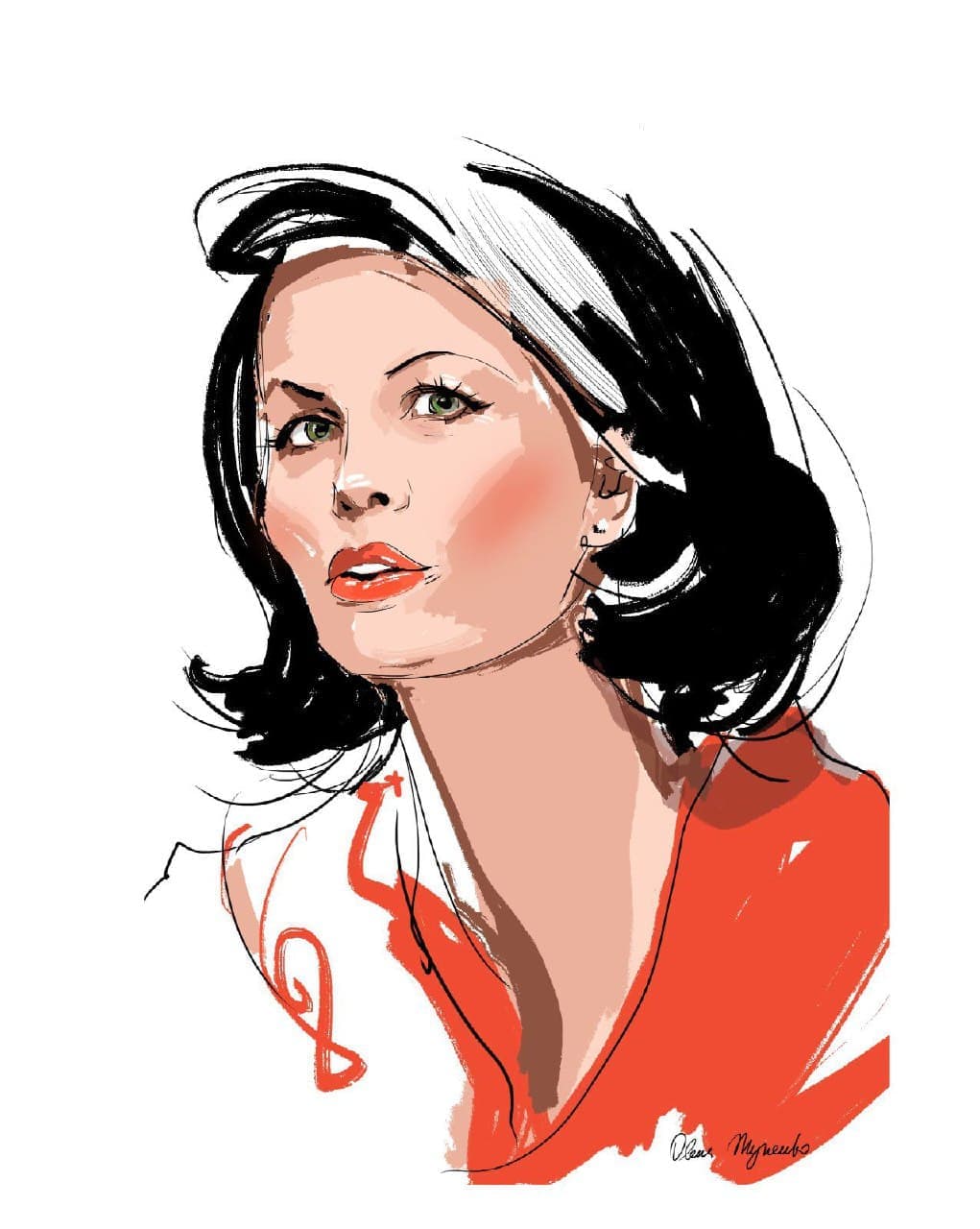
Then there are the illustrators. One of the illustrators was a Ukrainian woman, her name was Eliana Minkh, and she was a dear friend of Catherine. Sometimes these are friendships, sometimes these are chance meetings where people encounter each other and understand that they see things in the same way, that they want to do things in a profound way, and that it is part of their lives.
Catherine: Our team was born from a meeting of three friends and three complementary visions. I myself, as founder and perfumer, immediately found an echo in Olivier Scala, who is a true poet of tea, coming from five generations of selectors, and in our nose: Karine Dubreuil, a highly talented perfumer from Grasse. We combined our expertise to create, in synergy, harmonized perfume-tea duos. Contrary to what one might imagine, our house was not born in a cold laboratory, but in this human exchange, around the same artistic rigor.
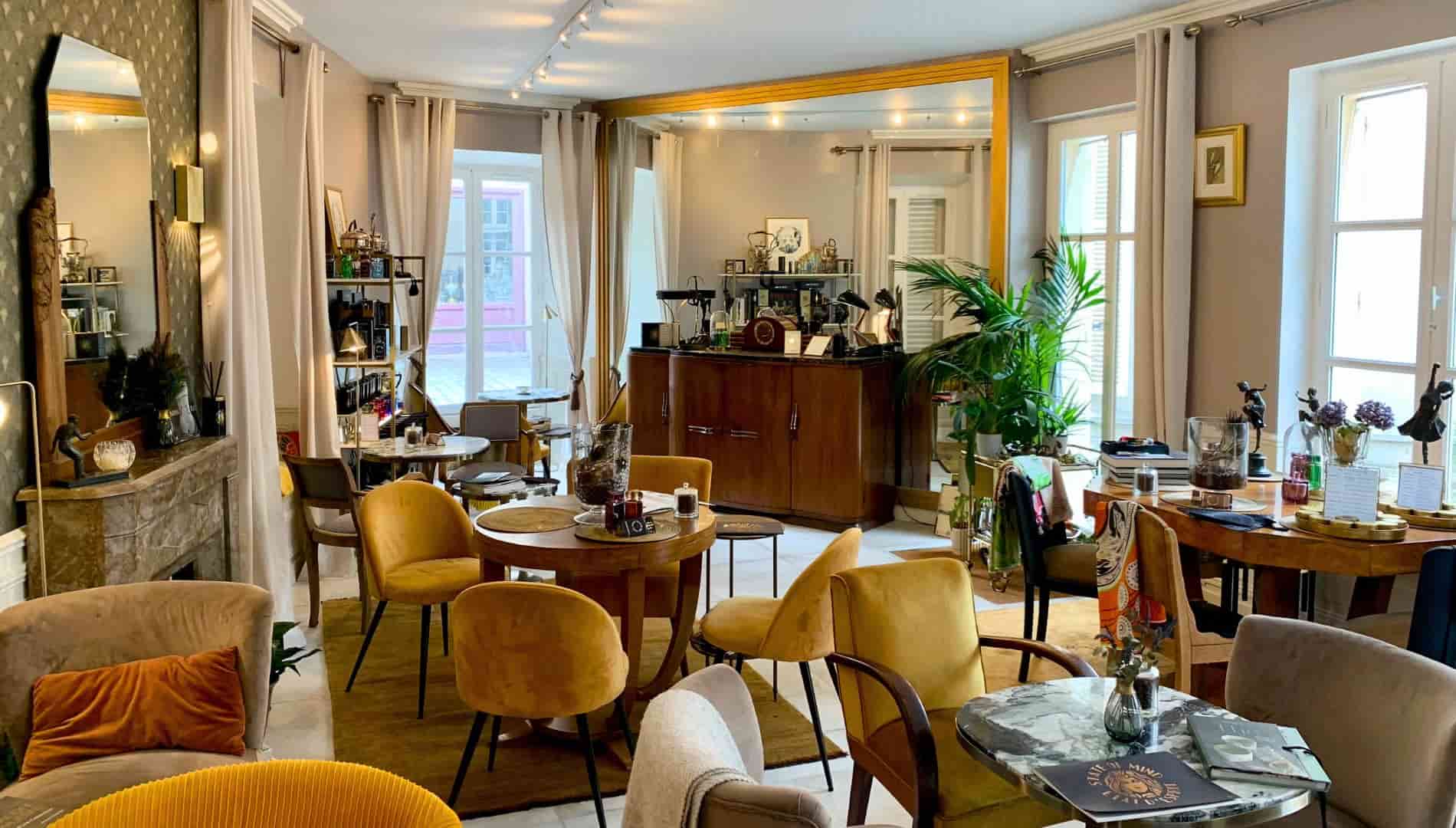
3. "Made in France, Born in Versailles": it is written in black and white. Why Versailles? A choice of the heart, coincidence, or an obvious move for a perfume house?
Catherine: Versailles is absolutely not a coincidence; it is a choice of the heart and an obvious one. The brand was born there; it is our foundation. Beyond the elegance and the history of perfume that permeate the city, our boutique is located on Rue du Bailliage, in the historic antiques district, inside an 18th-century building. For me, Versailles embodies the French Art de Vivre. We even claim this heritage of two perfumed capitals: Grasse for the know-how (our perfumes are produced there), and Versailles for the soul and refinement (it is in Versailles that the concept was born and refined).
Alina: It is a deliberate choice. Catherine was very inspired by the history of perfumery in general, and French perfumery was formed in Versailles, precisely to create perfumes for the royal court: to perfume first Louis XIV, then Louis XV, who were great lovers of perfumery. That is how the French houses—Guerlain, also Lubin (the House of Lubin; I don't come from that family, but still)—were built around this city, in this very city. Now, all perfume houses are in Paris, and we thought it was truly lovely to create our Olfactory Tea Room here. Because for us, it is not just a boutique: it is an Olfactory Tea Room, where one can come to drink tea and discover perfume at the same time. We needed a place that was quiet, rich in history, and that also allowed us to have a slightly different vision, to be a little bit apart.
Versailles, as you can see, has a connection with perfume: there is the Osmothèque, and there is also the ISIPCA perfume school. There are, indeed, very important points. We chose Versailles for this boutique, and in Cannes, we chose the same, because in the South, Grasse is really also the capital of perfumes. We were building a bridge, in this way, between Versailles and Grasse.
4. Your perfumes do not bear the names of flowers or precious stones, but names of moods and characters: Open Mind, Sense of Humor, Butterfly Mind, Aesthetic Turbulence. Why name states of mind rather than scents? Which one sells the best?
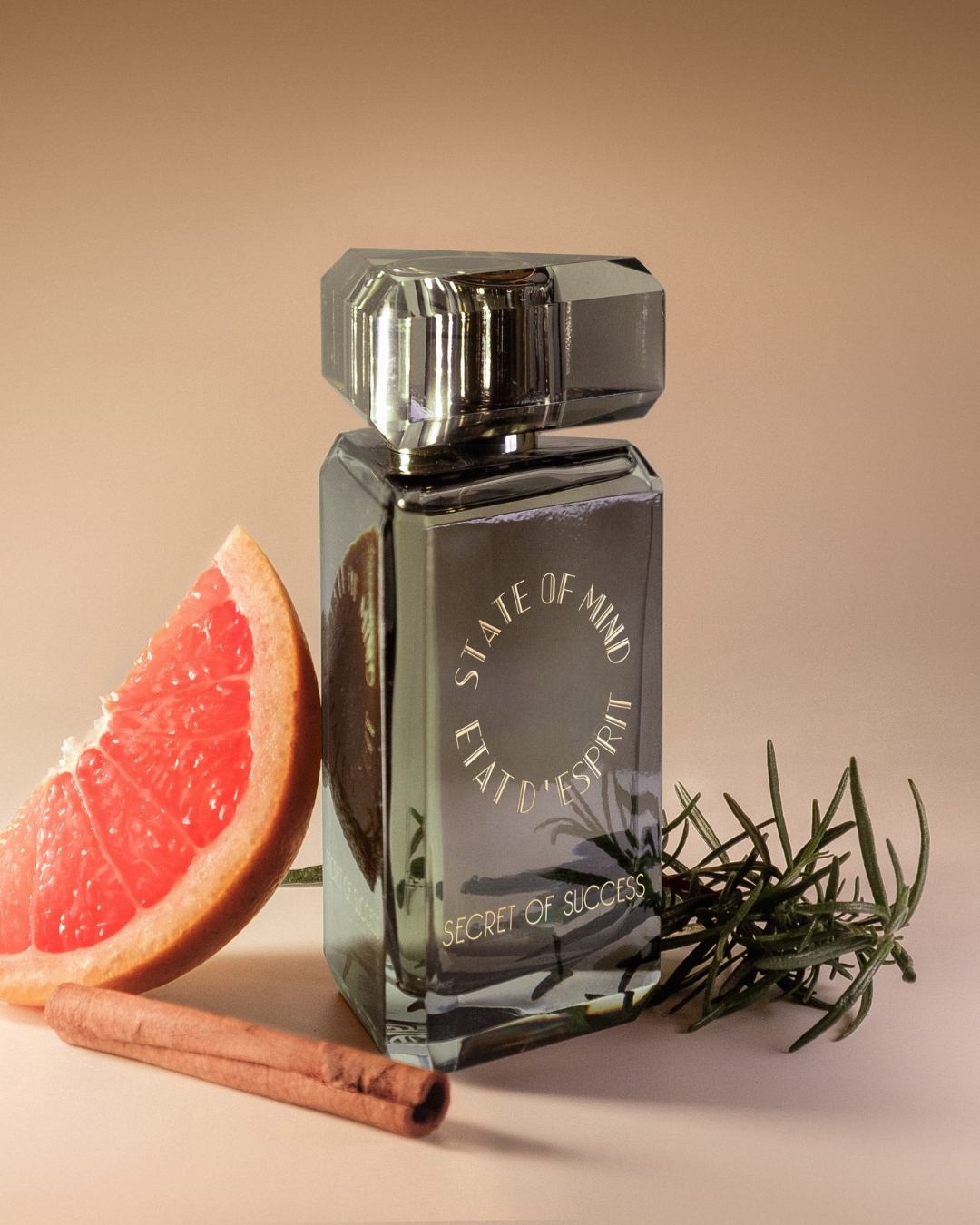
Catherine: Because that is the heart of my artistic approach as a perfumer. For me, states of mind, whether natural or fleeting, constitute the complexity of our essence. I never start with an ingredient, but with the representation of a mood, which I must embody through the notes of tea and perfume. The raw materials are secondary; what matters is the storytelling. Spontaneous Generosity, Open Mind, Creative Inspiration, Sense of Humor, French Gallantry, Butterfly Mind... these are gifts we offer to ourselves or to others. As for the best-seller, I never give a definitive ranking, but Secret of Success is often the first that catches one's attention, and Butterfly Mind, one of our first-borns (2017), remains a heartfelt essential.
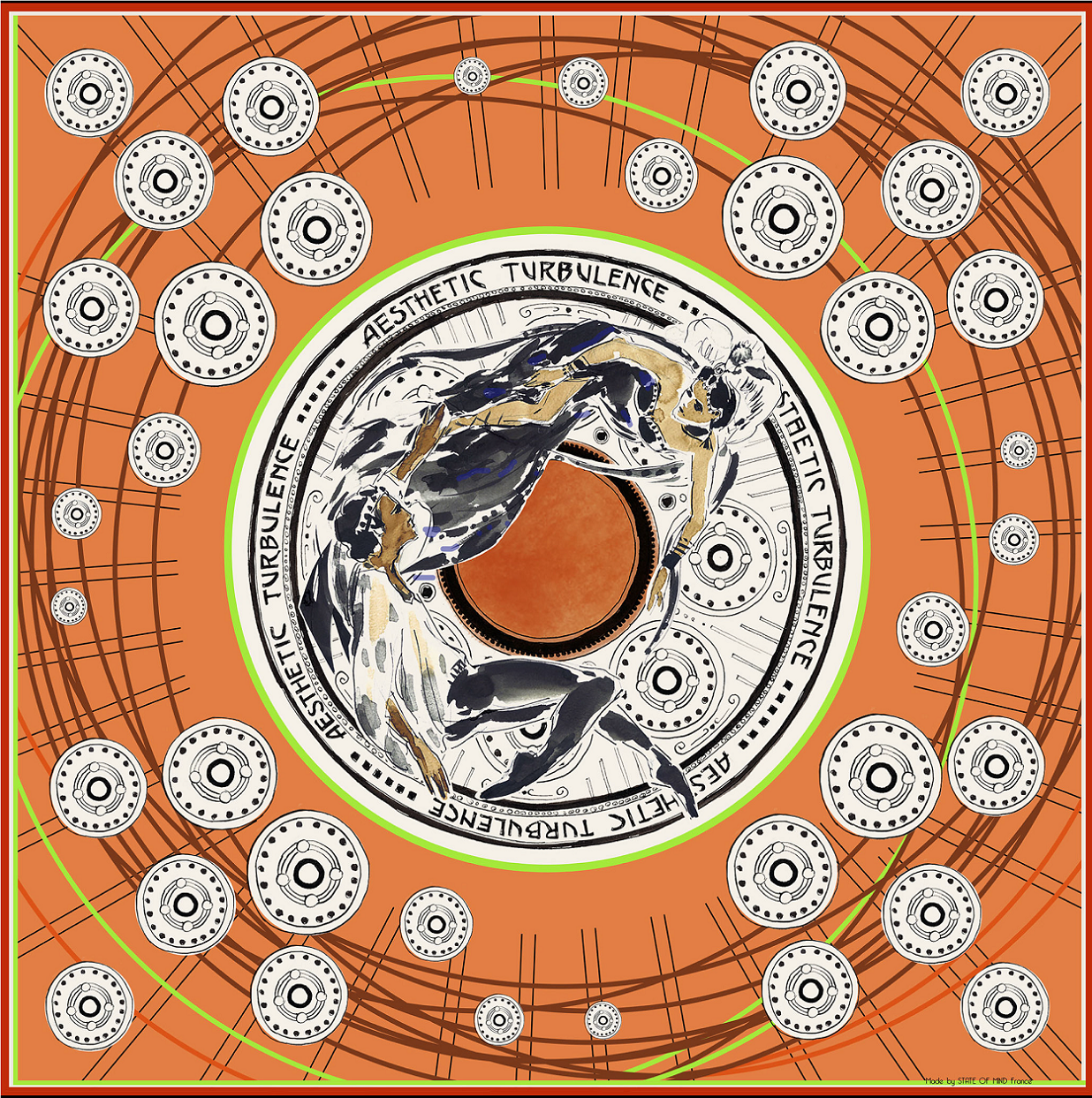
Alina: We have a perfume called Aesthetic Turbulence. Catherine describes this aesthetic turbulence as a perpetual search for perfection. She is a great reader; she loves cinema, literature, and music. Often, she begins to take an interest in a period, to latch onto something in history, and to create things that way.
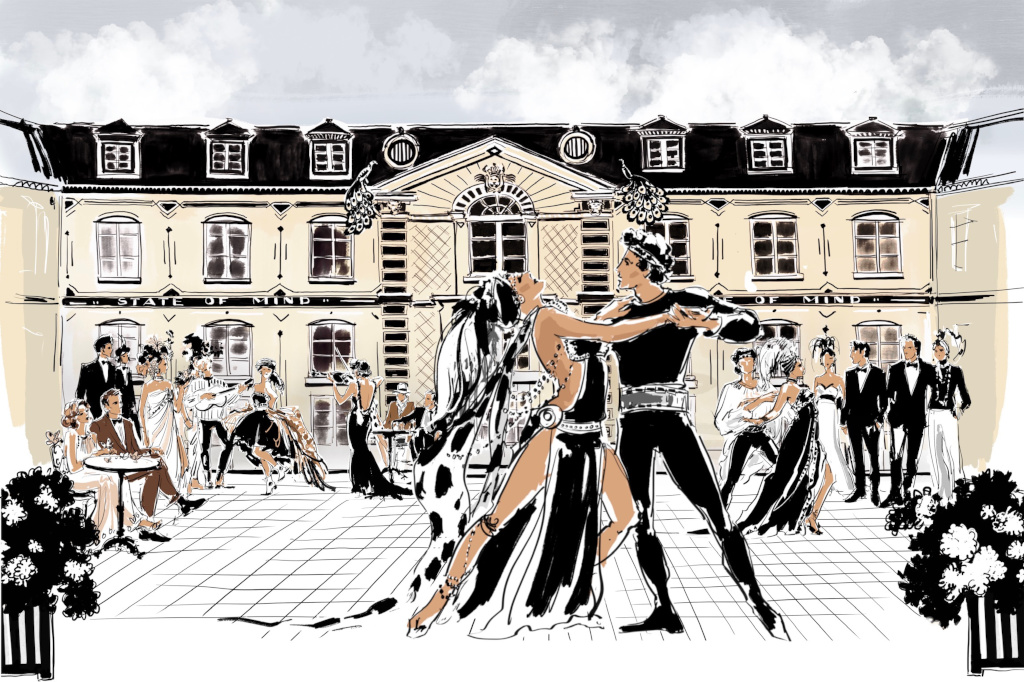
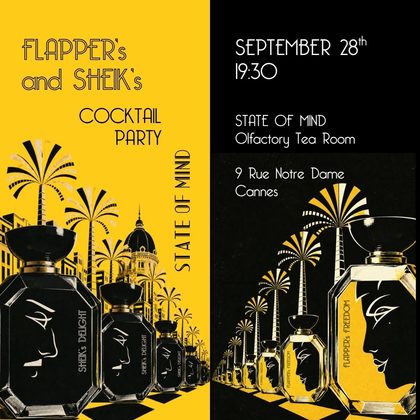
I will give you an example with the new creations that will be released at the beginning of 2027: two perfumes called Flappers Freedom and Sheik’s Delight, because we are very inspired by the Art Deco period, the Jazz Age. She found that in this period, at the moment of women’s liberation, there was a trend: girls were cutting their hair, starting to smoke, driving sports cars, and they were called "flappers." This perfume will embody precisely this spirit of a new generation of women who are completely free, hence Flappers Freedom. Around it, there are a great many details: it will be a chypre and aldehyde perfume—perfumes that were fashionable, that were appearing at that period—but with contemporary touches.
We will also draw a link between this period, a hundred years ago, when the world changed, when women became different, and today’s period. Similarly, it is a bit of a turning point, a change of era, and we see how people react: they seek parties, they seek to live as if it were the last day. For her, it was interesting. While reading, watching movies, and listening to music, she found this state of mind, Flappers Freedom, which will then be realized as a perfume.
5. What is the most frequent reaction from those who discover your teas and your perfumes for the first time?
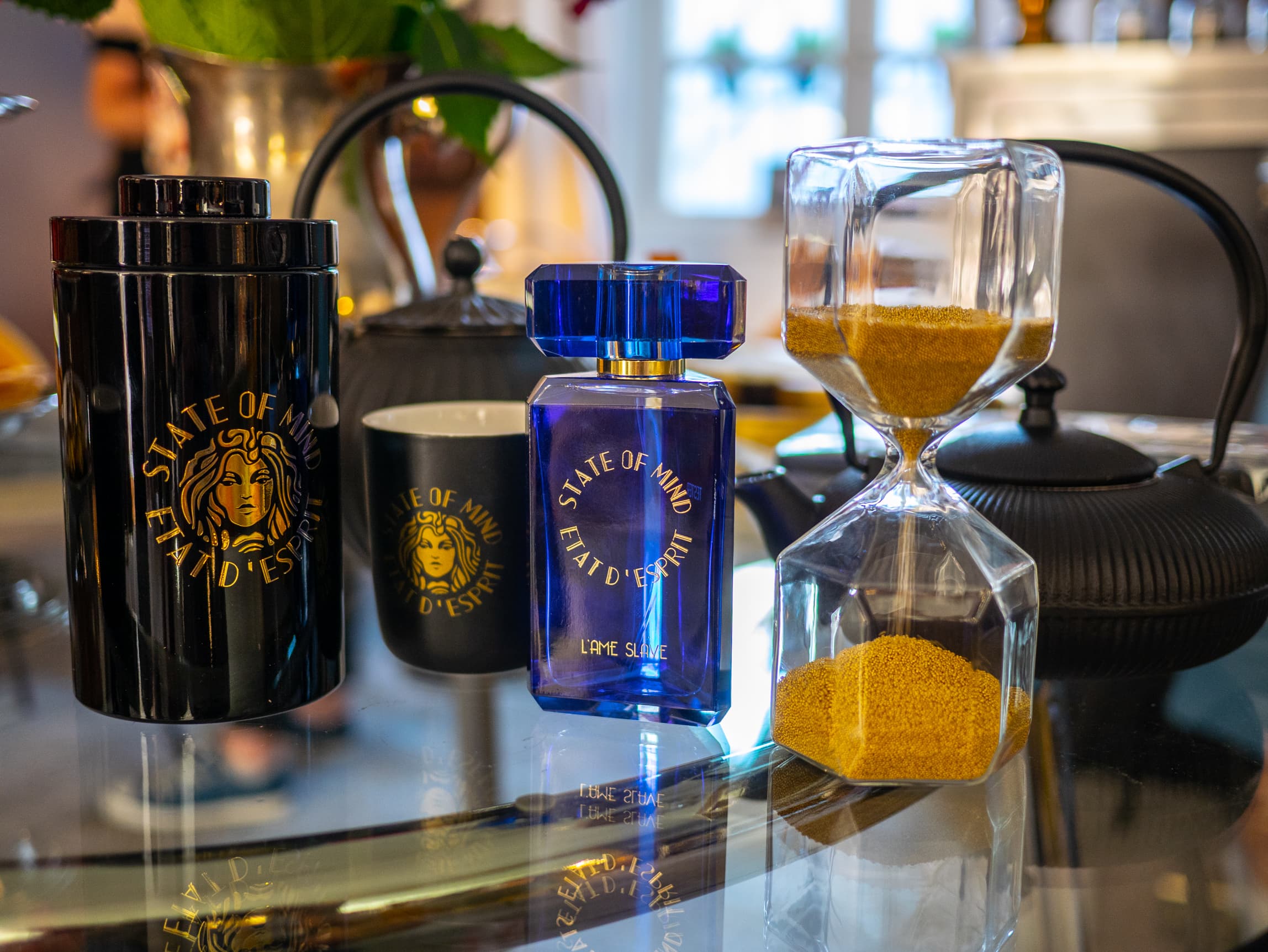
Catherine: What I see most often is a truly immersive surprise. Visitors enter our Olfactory Tea Room thinking they are going to discover a perfume, and they leave having experienced a multi-sensory ceremony. The hushed, warm atmosphere invites them to take the time to savor a tea that mirrors the perfume they are smelling. The most frequent reaction is the astonishment of seeing how much the taste of the tea can reveal hidden facets of the perfume, and vice versa. Many tell me that they are no longer just "customers," but that they become actors in an intimate encounter with their own sensitivity. That is exactly the effect I am looking for as a perfumer: a haven of hospitality and an awakening of the senses.
Alina: It depends on the type of person we have in front of us. The people of Versailles are very often surprised, and sometimes even frightened, because they are used to having a classic tea room, where they drink their tea, sometimes their herbal tea. So, sometimes, they are even a little afraid of this perfume concept, but I think that is the minority. Most people are curious. Above all, it is curiosity: they start to ask themselves questions. Why these perfumes? What is it? How does it happen?
After that, it really depends on the regions. There are regions, places, and countries where people adore perfume and tea. When we receive, for example, people who come from Slavic countries, they will love it; they will stay for hours, because tea speaks to them enormously, and French perfume, once again. We can also take the Arab countries: it is the same, it will interest them greatly, because they also have this culture of drinking tea and using a lot of perfume, so they will immediately adore both. Then there is the American continent: they like niche perfumes in general, they like something new. When they discover it, they will perhaps be less interested in the tea, and rather in the bottles, the perfume, what it is. So, there you go, it is often curiosity.
6. 52 countries. For a house born in Versailles eight years ago, that is dizzying. How do you get there? Was there a country, a trade show, or a meeting that turned everything around?
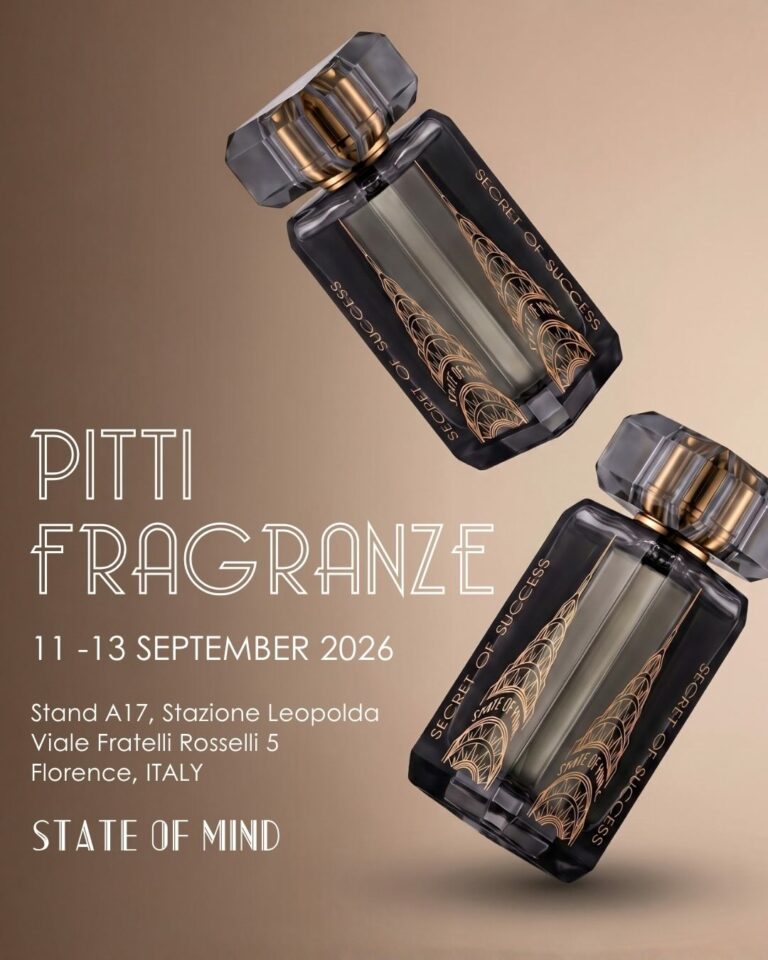
Catherine: I have never chased after numbers; I have chased after encounters. The real turning point, I would say, played out on two fronts. First, Esxence in Milan and Pitti Fragranze in Florence—trade shows where artistic perfumery is celebrated as an art. It was there that the first international distributors laid eyes on our bottles, not as products, but as narratives. Then, there was a country that opened doors for us: Russia. Russians have a culture of philosophy and ritual, and our synaesthesia-based tea-perfume approach resonated immediately with their relationship to the sensory and the abstract. Once we were accepted there, the rest of the world followed. But I tell you honestly, every new country is a love story, not a conquest.
Alina: Today, it is about sixty countries. It is hard work, daily work. And it must be said that it is really the energy of the creator: I have never seen someone with so much energy, so much desire, so much love for their own project. She travels a lot, and these are always trips between pleasure, discovery, and business. For her, life is her project. I think it is really thanks to her overflowing energy.
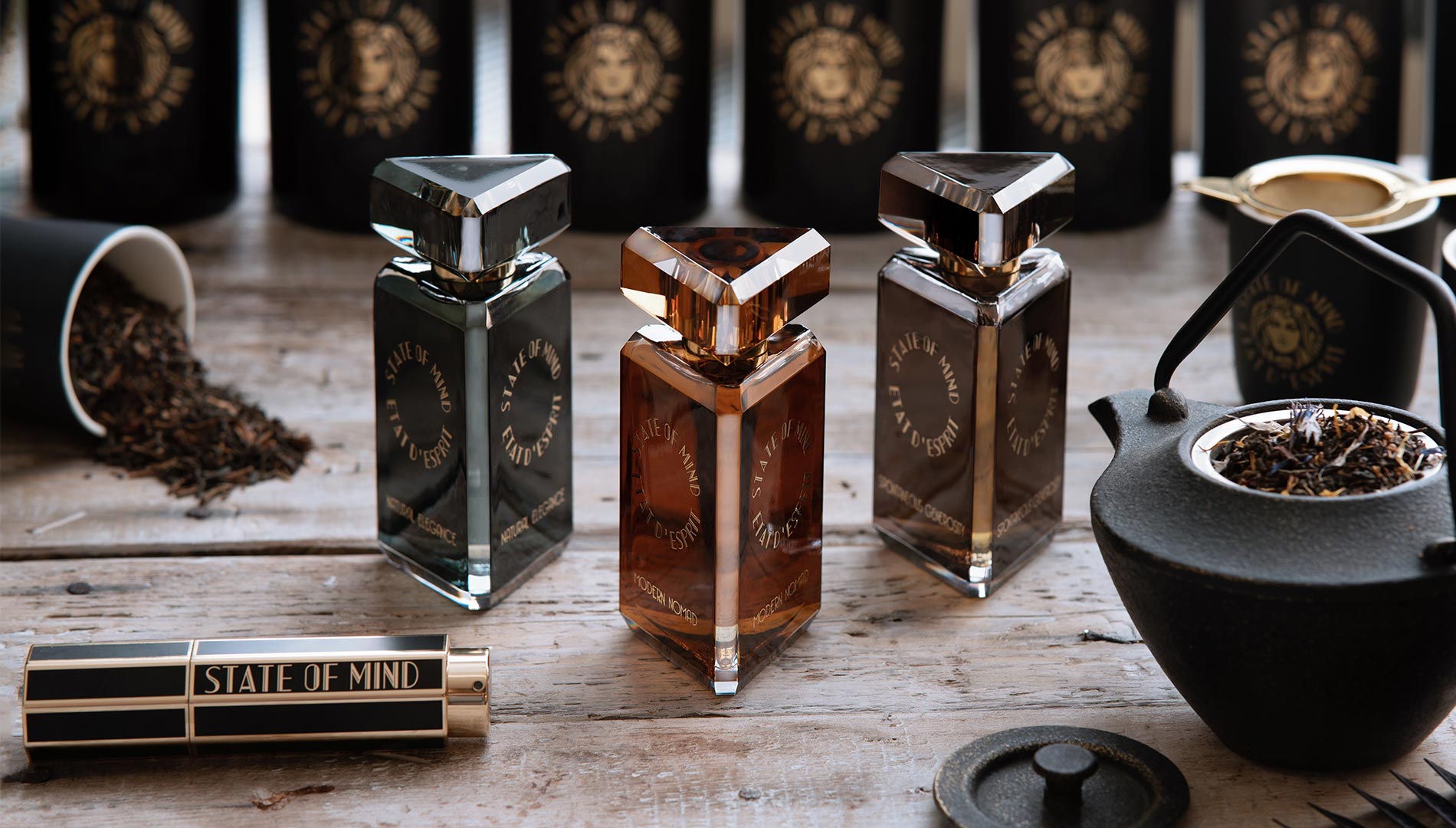
After that, I think what also helped a lot is this contemporary desire of people to discover new perfumes. Niche, in other regions, interests people, because they are a bit tired of the perfumes found at Sephora, of perfumes that look alike. They are looking for something new, something singular. And since the concept is quite interesting and quite original, often, people are captivated by its originality, and consequently, it grows.
7. Don't we smell the same things in Versailles, Dubai, or Seoul? Are there perfumes that work very well in one place and not at all in another?
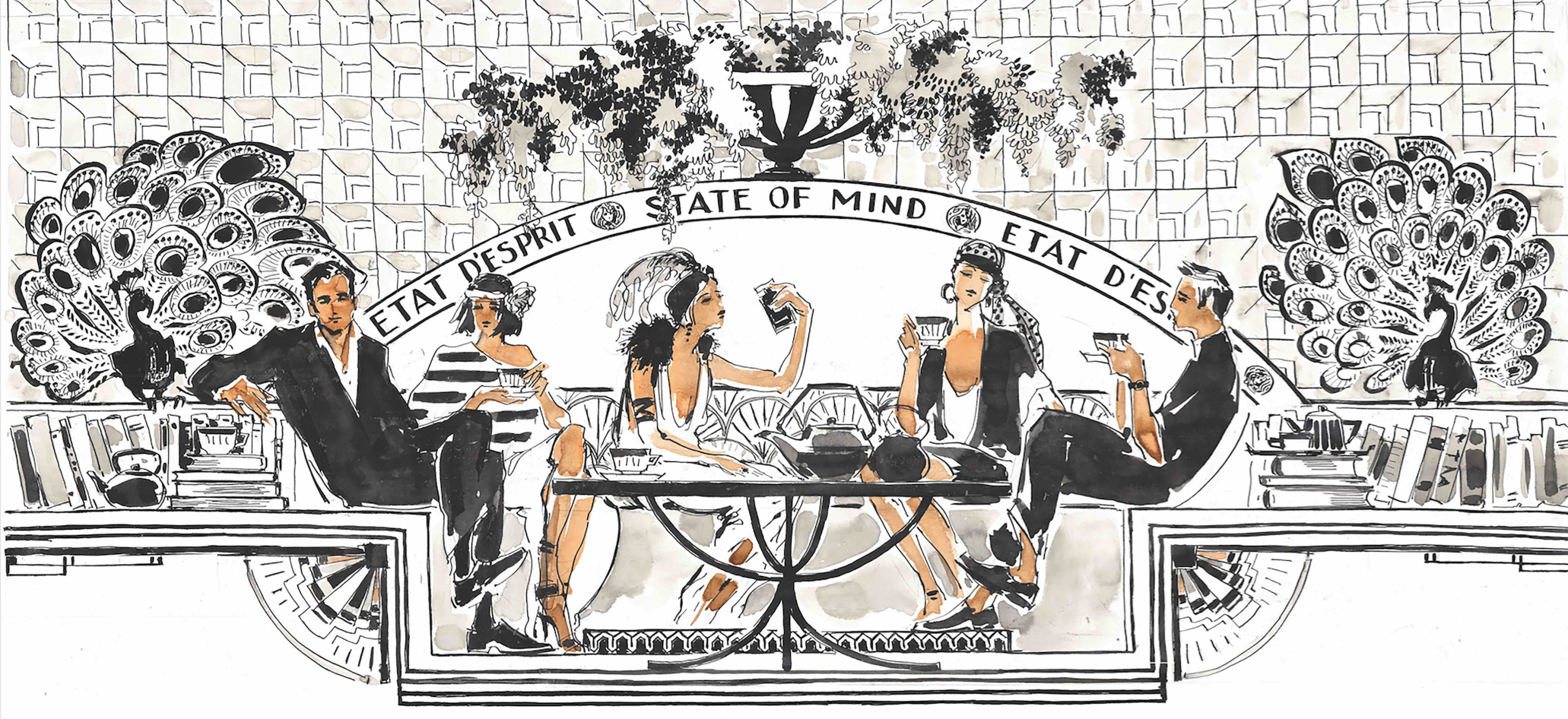
Catherine: The emotion of a perfume is universal, but its resonance is cultural. In Dubai, customers are attracted to warmer, more opulent notes, with a marked preference for oud or spices: our Aesthetic Turbulence finds a powerful echo there. In Korea, they are sensitive to transparency, to the freshness of green tea, to the delicacy of Butterfly Mind. In Versailles, it is more eclectic, but they often look for classic elegance, the sillage that tells a French story. What is wonderful is to see that the same perfume can tell different stories according to the noses that wear it. None of them "don't work" anywhere, but some express themselves with more force according to local rituals.
8. What has been the biggest challenge in the history of the house, the one where you wondered if all this would hold up?
Catherine: Without hesitation: the Covid period. We had just deployed our international network, and the borders closed overnight. The trade shows were cancelled, the boutiques closed, the shipments blocked... I remember spending nights rethinking our entire model, reinventing the relationship with our customers from a distance. The other challenge, more structural, was to maintain the artisanal rigor while meeting global demand. Every bottle is assembled by hand, every tea is selected grain by grain. Not giving in to industrialization, keeping the soul of the house—it is a daily battle.
9. And conversely, the most beautiful memory, the pivotal moment, the one you still talk about today?
Catherine: The day of the opening of our boutique in Versailles, on Rue du Bailliage. It was not a place like any other: an 18th-century building, steeped in history, in the heart of the antiques district. I welcomed our first visitors there; I saw their eyes light up in front of a tea-perfume pairing; I felt the human connection being forged around a bottle. But the most beautiful, perhaps, is this anecdote: a lady came in with a dog for tea, smelled Sense of Humor, and started to cry, saying it was the scent of afternoons at her grandmother’s house. At that moment, I knew that our work went far beyond beauty. It is a memory I carry like a talisman.
10. Your universe has already expanded from tea to perfume, then to candles, silk, and jewelry. Where does a state of mind stop? What do you dream of adding in the next three to five years?
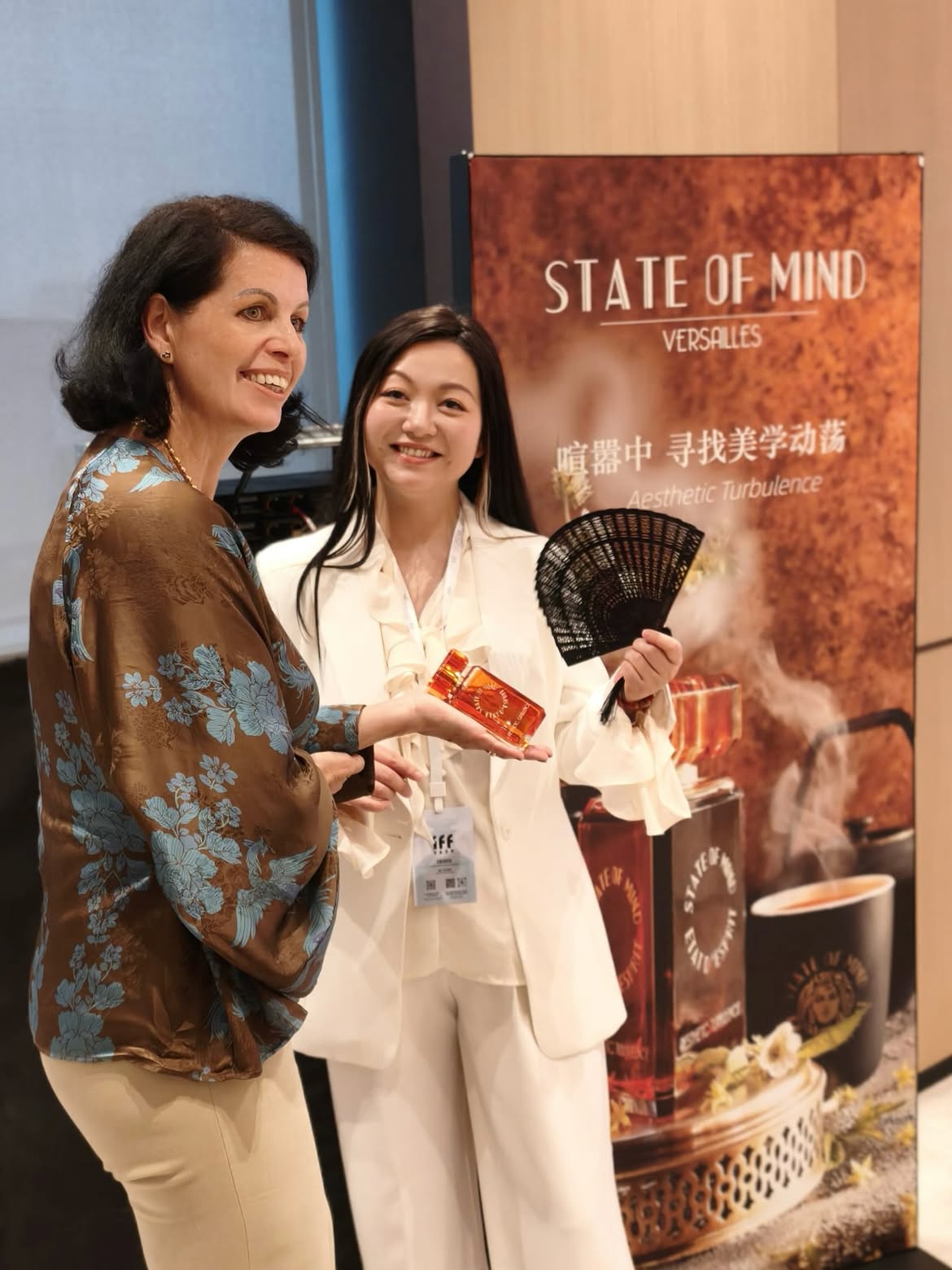
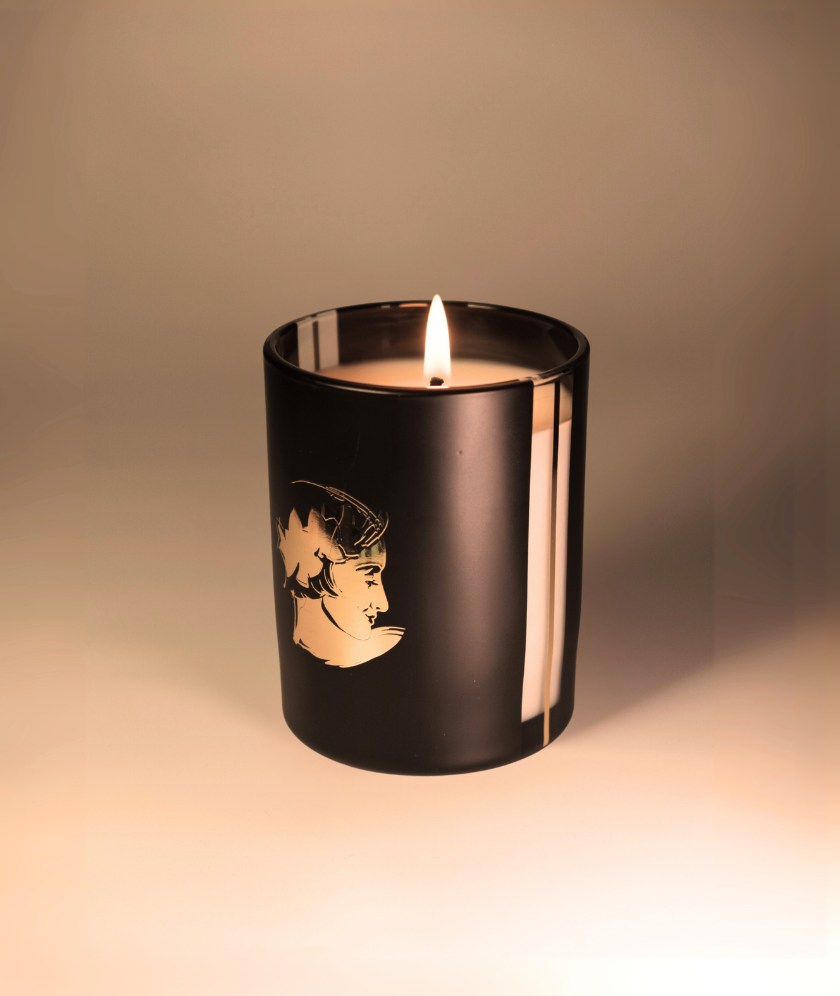
Catherine: A state of mind, by definition, never stops. It moves, transforms, and reinvents itself. The candle, the silk, the jewelry: these are not commercial extensions, they are vehicles of emotion. My dream, in the coming years, is to explore the art of the table: tableware, carafes, perhaps even tablecloths that would carry our vision of the ritual. I would also like to create immersive experiences, such as synaesthetic dinners with a chef, where each dish would be associated with a tea and a perfume.
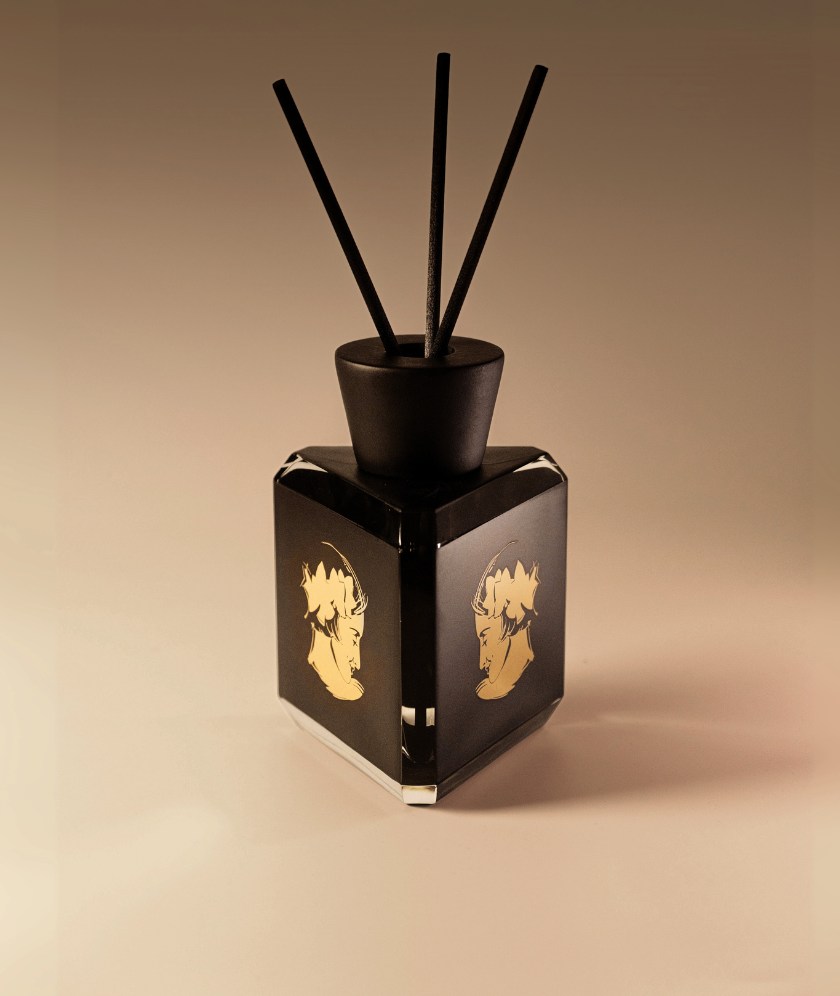
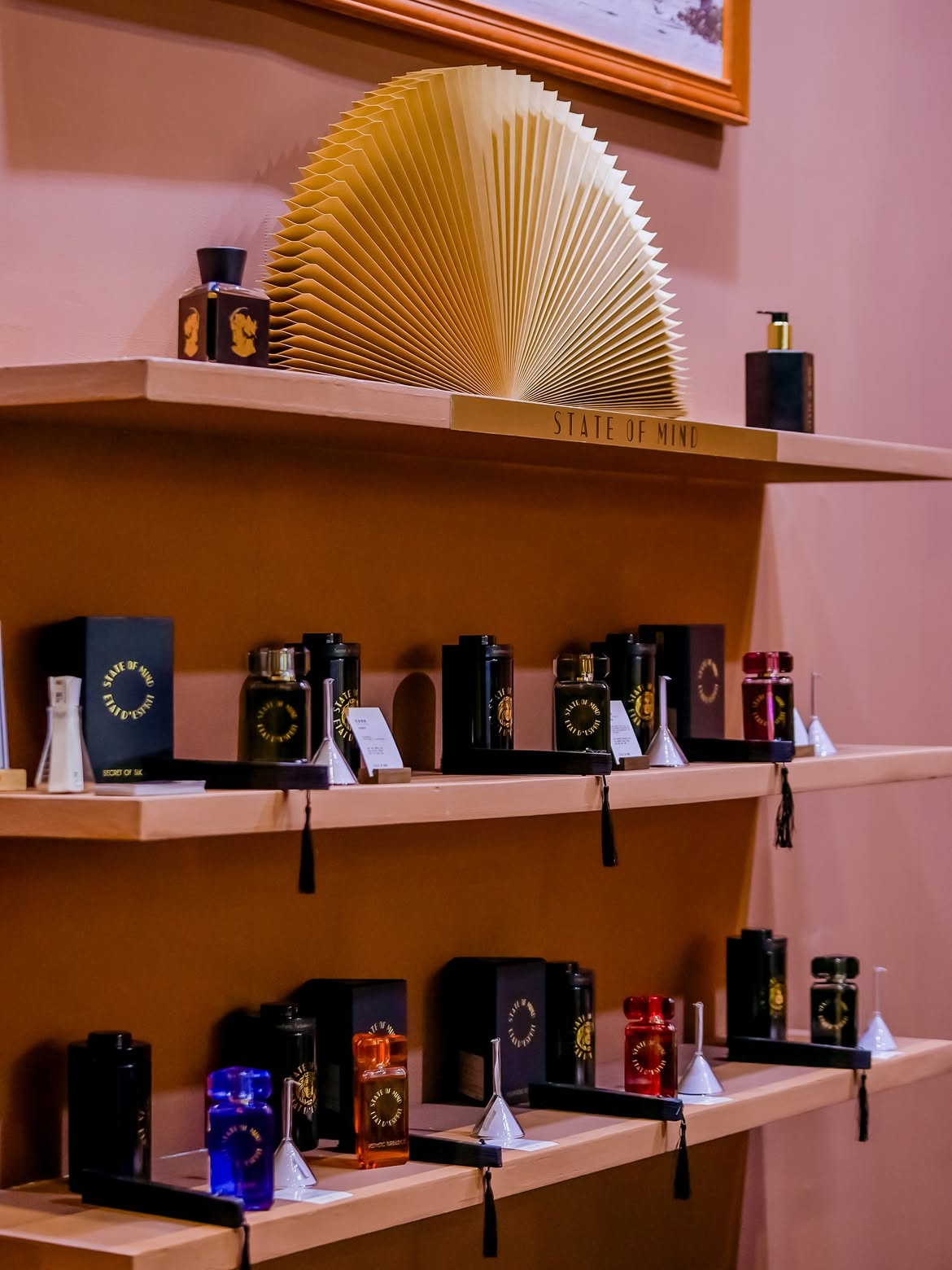
Alina: At the moment, indeed, each state of mind is interpreted as a perfume, a tea, then as candles for the home, a diffuser, a room spray. We have silks, silk squares, we have medallions. Perhaps we will indeed develop a few other accessories; it is planned. We have made soap, for example liquid soap, but perhaps there will also be hard, solid soap.
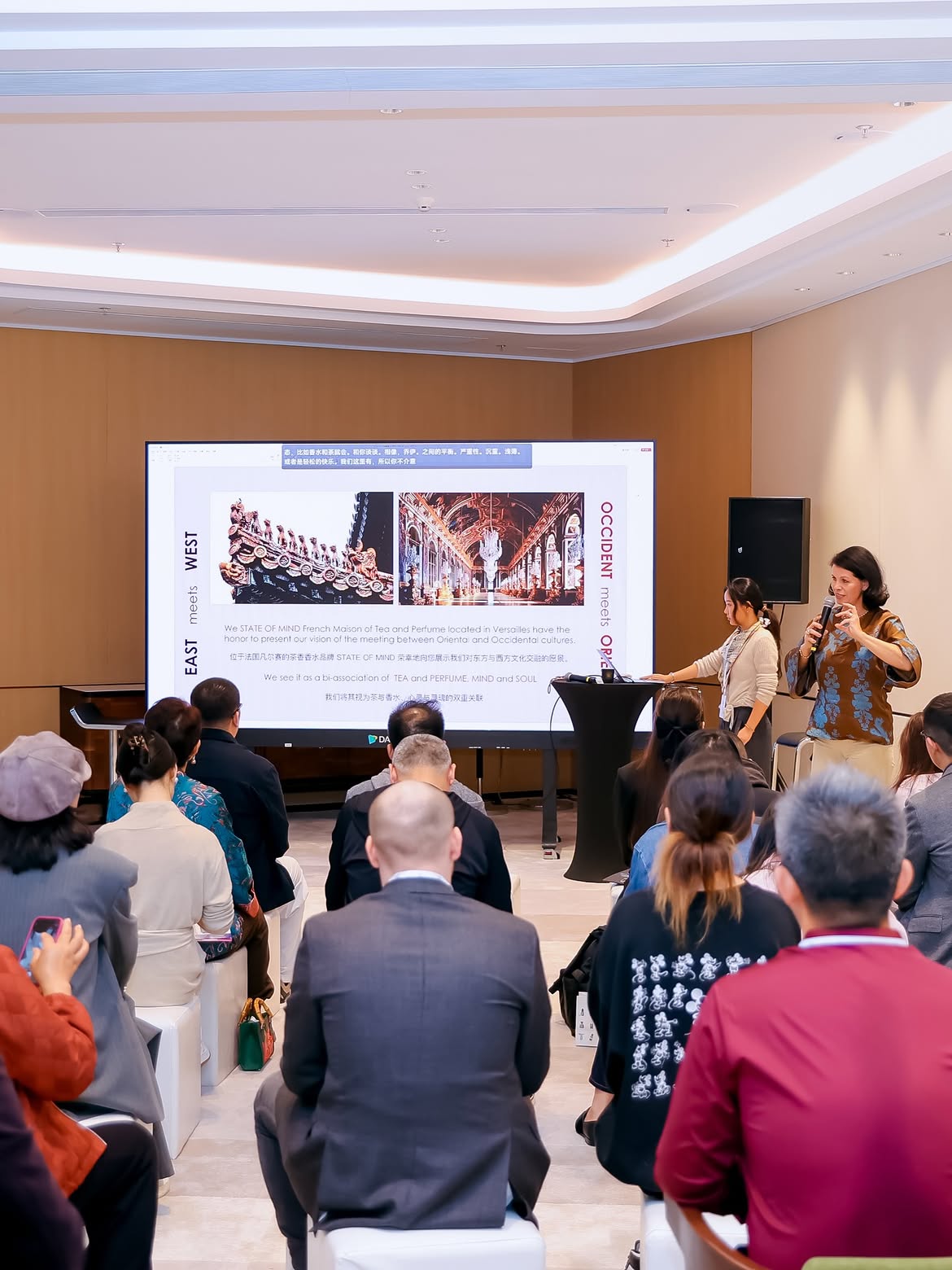
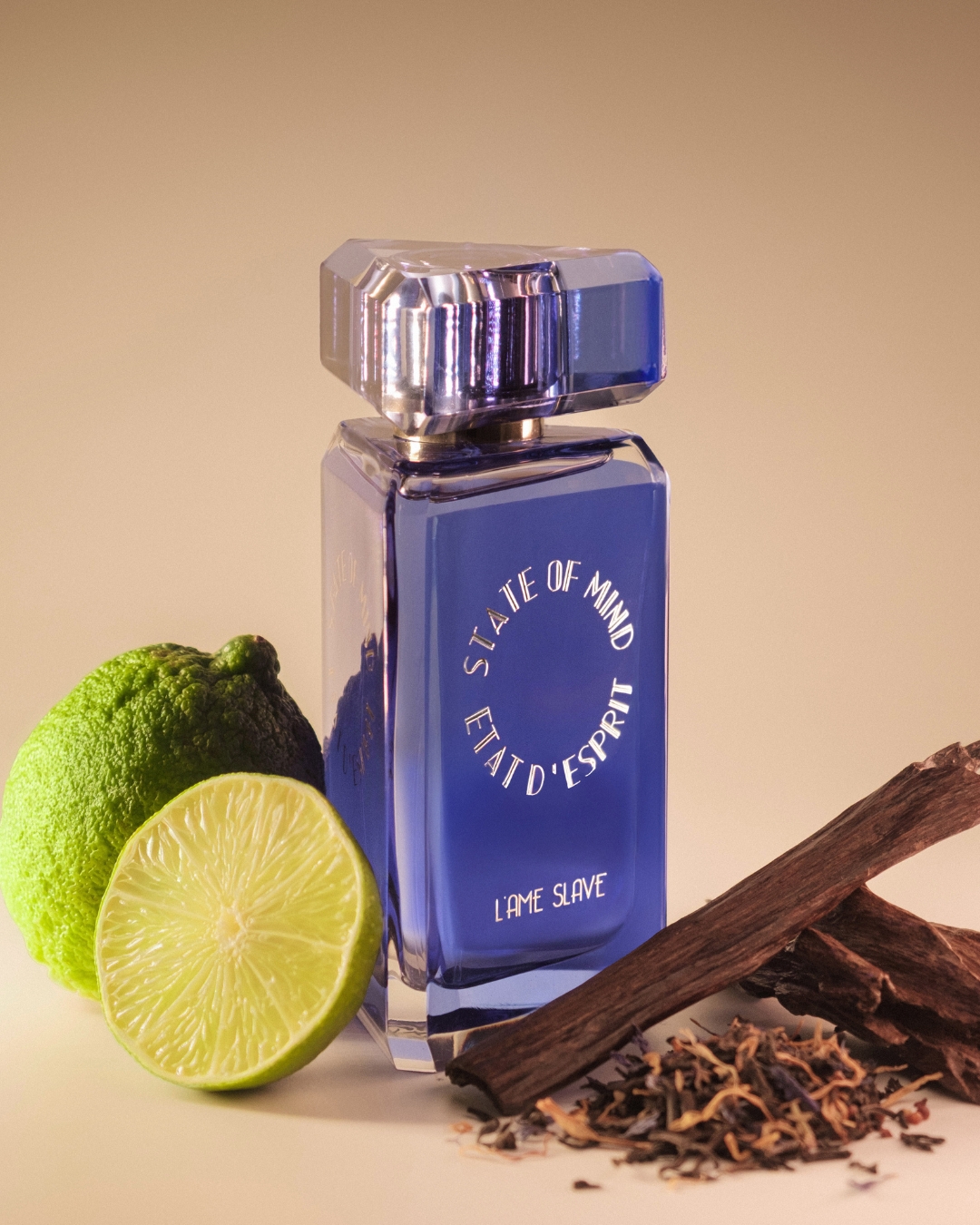
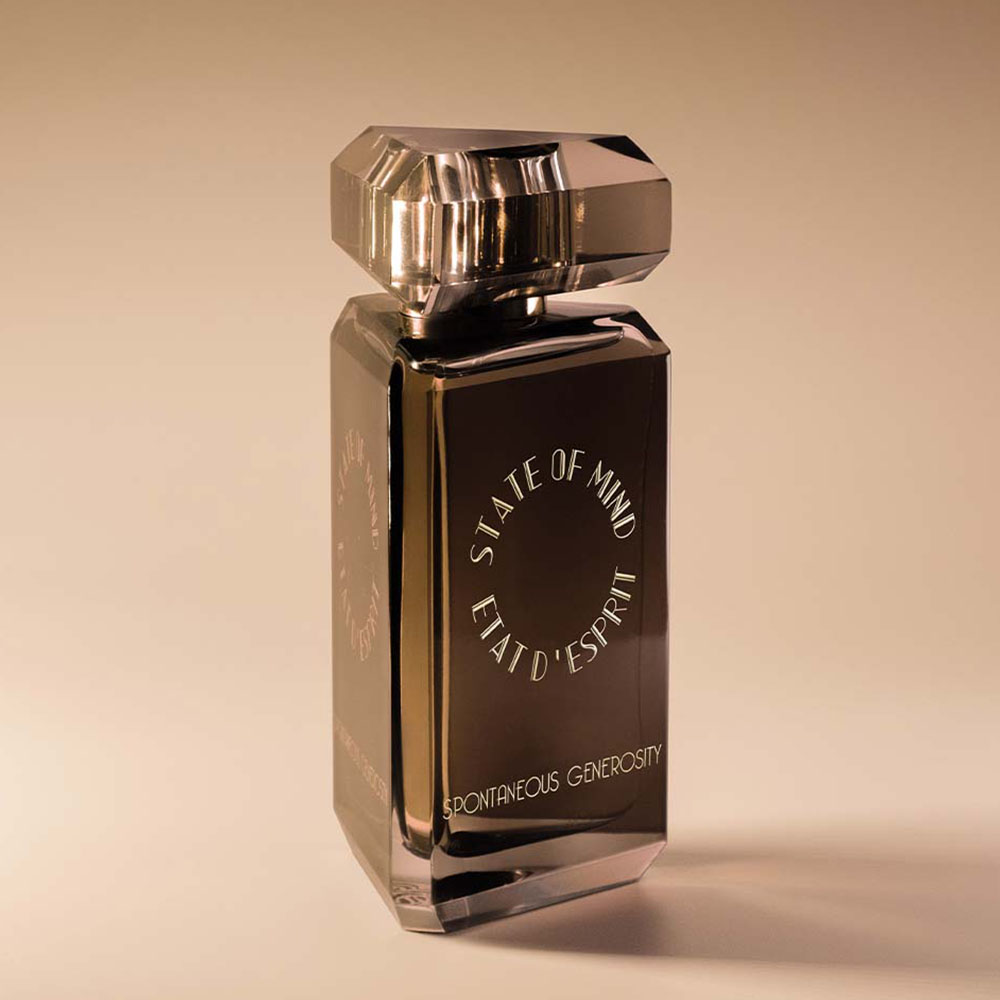
But I think it will be more about new lines. For example, right now, we have a line of 14 perfumes that all have a triangular bottle, like this. And precisely, the new ones I spoke to you about, Flappers Freedom, will be a new line, therefore a new bottle format, another story to tell: packaging in the shape of a book that opens, with a bottle that is also a bit inspired by the 1920s. I think it will be more through new formats. We will still always stay within perfume; that will always be the heart of our activity.
11. Bonus question: is there a subject that is close to your heart, which we haven't talked about and which you would like to address today?
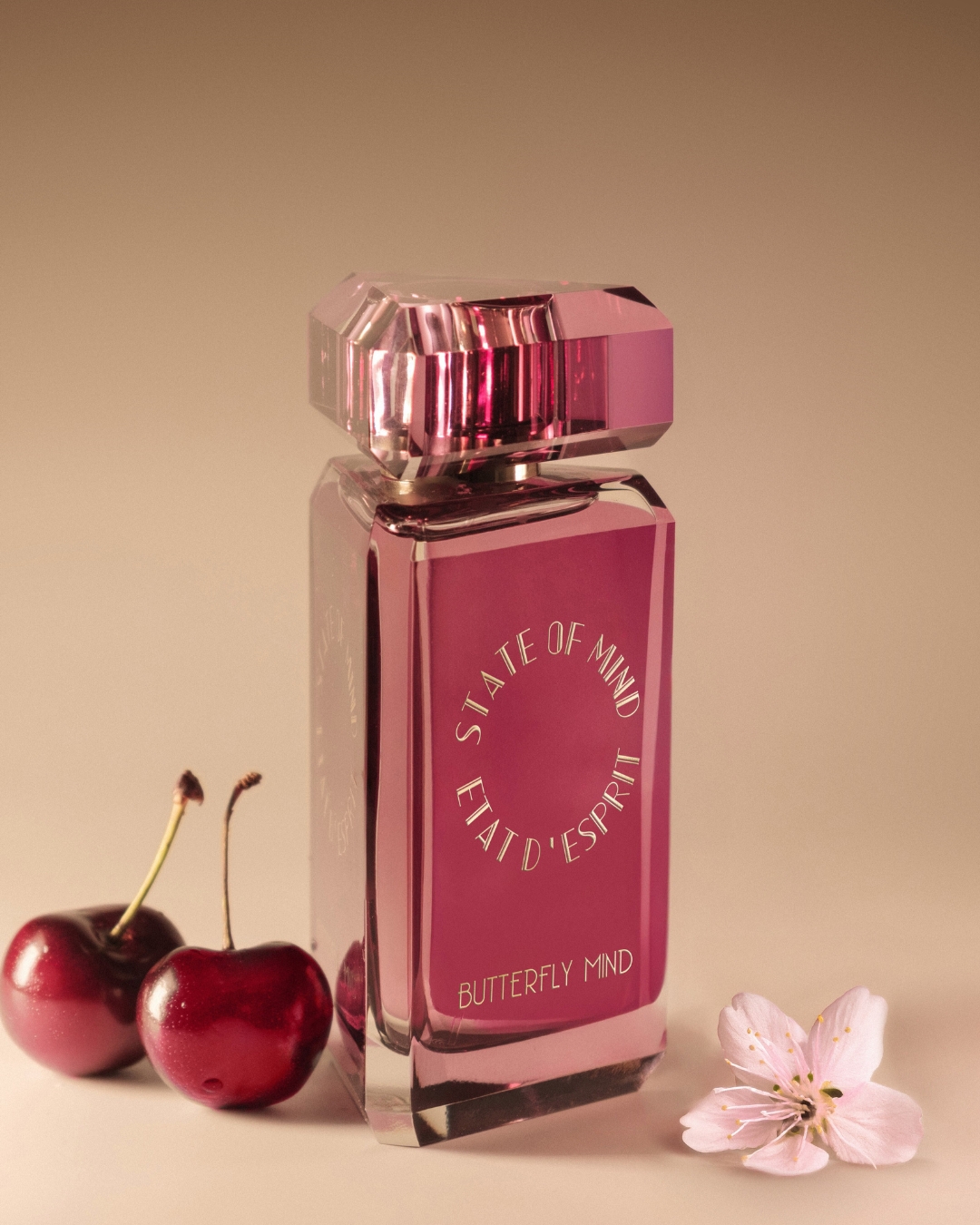
Alina: We can perhaps talk about a state of mind in particular. Here, we are in Versailles, and we have a perfume that is much inspired by the history of Versailles. It is a perfume that is quite simple, and at the same time, it is a bestseller. It is called Butterfly Mind, and it is a floral fruity that pleases everyone. But there is quite a particular story behind it.
The biggest inspiration was the image of Marie-Antoinette. Why? Because this queen of Austrian origin arrived in Versailles and discovered a world that was not her own. But she created her own within it: she created the Grand Trianon with her Petit Trianon, with her little Queen’s Hamlet, with her little vegetable garden, with fruit trees that she planted. The perfume embodies this carefreeness, this lightness. This queen seemed to do nothing but party, but behind that, there was a will to create this world, to oppose things a little, without fear.
Here, the perfume is floral: you have cherry blossom, musk. It is very, very light, a bit like first love, a bit like spring. It is really beauty and carefreeness embodied, but behind it, you have a solid base. It is a bit like ballet dancers: it seems very light to us, it disappears at a certain point, as if it were just a dream, but behind it, there is hard work. It is the same for this queen: she had a very hard destiny, but for us, her image has always remained very light. There you go, that is the embodiment.
Catherine: Yes, and I am delighted that you are letting me address it. It is the passing of the torch. In an era where everything moves fast, where artificial intelligence is on everyone's lips, I believe profoundly that artistic perfumery is a human craft. We have a duty to pass on the torch: training young noses, teaching them patience, tea tasting, the reading of raw materials. State of Mind was not built to be a financial success story, but to be a sensory legacy. That is why we invest a lot of time in workshops, masterclasses, and partnerships with schools. I want us to be remembered in twenty years not for a turnover, but for having re-enchanted the relationship with perfume, with others, and with oneself. There, it is said. (smiles)
Learn more about State of Mind To prolong the ceremony, before stepping through the door of the salon: Website: stateofmind.fr Instagram: @stateofmind.fr "Our language is useless to describe the world of odors." — Patrick Süskind, Perfume: The Story of a Murderer Read the full article on La Gazette de Versailles (https://lagazettedeversailles.substack.com/p/40-douceur-dautomne-salon-de-the)